
Mulebuy Spreadsheet Explained: A Beginner’s Complete Guide
The Mulebuy Spreadsheet simplifies product research with structured listings and updated sourcing data. Find trending items and trusted vendors through the Mulebuy Spreadsheet for smarter e-commerce decisions.
7/2/20263 min read
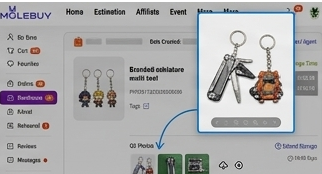
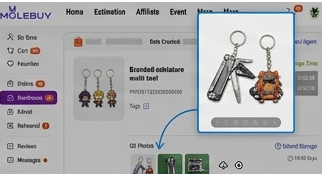
Mulebuy Spreadsheet Explained: A Beginner’s Complete Guide
In 2026, cross-border e-commerce continues to evolve rapidly, and product sourcing tools have become essential for beginners and experienced sellers alike. One of the most useful systems emerging in this space is the Mulebuy Spreadsheet. It helps users organize product data, compare suppliers, and identify profitable items without getting overwhelmed by scattered information.
This guide breaks down what the Mulebuy Spreadsheet is, how it works, and how beginners can use it to improve their sourcing strategy.
What Is the Mulebuy Spreadsheet?
The Mulebuy Spreadsheet is a structured product research and tracking tool used by sellers sourcing products through platforms like Mulebuy.
Instead of manually saving product links across multiple tabs, users organize everything in a single spreadsheet that acts as a centralized sourcing dashboard.
Typically, it includes:
Product name and images
Supplier links
Cost price and shipping fees
Estimated selling price
Profit margin calculations
Product categories
Notes and performance tracking
In simple terms, it turns messy product research into a clean, data-driven system.
Why Beginners Use Mulebuy Spreadsheet
For beginners, product sourcing is often the hardest part of dropshipping or e-commerce. The spreadsheet solves this by bringing clarity and structure.
Key benefits include:
1. Centralized Product Organization
All product ideas are stored in one place instead of being scattered across websites.
2. Faster Decision-Making
Users can quickly compare multiple products without switching platforms.
3. Better Profit Visibility
Clear calculations help identify which products are worth selling.
4. Reduced Research Time
Less time searching means more time scaling your business.
How the Mulebuy Spreadsheet Works
The spreadsheet operates as a table where each row represents a product and each column stores specific data points.
Common columns include:
Product Title
Supplier Source
Purchase Cost
Shipping Cost
Selling Price
Estimated Profit
Demand Rating
Notes or Tags
Users either manually input data or import it directly from sourcing platforms.
Step-by-Step Guide to Using Mulebuy Spreadsheet
Step 1: Choose a Product Niche
Start by selecting a niche with consistent demand, such as:
Fashion accessories
Home gadgets
Fitness equipment
Beauty products
Electronics
Pet supplies
A focused niche makes research more efficient.
Step 2: Add Product Data
Whenever you find a potential product, record all relevant details in the spreadsheet, including:
Supplier information
Cost price
Shipping fees
Estimated retail price
Delivery time
Accurate data is essential for proper analysis.
Step 3: Calculate Profit Margins
Profit calculation is one of the most important parts of the spreadsheet.
Formula example:
Profit = Selling Price – (Product Cost + Shipping + Fees)
This helps you quickly filter out low-value products.
Step 4: Compare Multiple Suppliers
Never rely on just one supplier. Instead, compare:
Pricing differences
Shipping speed
Product quality
Supplier reliability
Sometimes a slightly more expensive supplier offers better long-term value due to faster delivery or better quality.
Step 5: Identify Winning Products
After analysis, move high-potential products into a separate section labeled “Winning Products” or “Testing Stage.”
Look for products that meet:
High demand
Strong profit margin
Reliable supplier availability
Low competition or unique positioning
Best Practices for Using Mulebuy Spreadsheet Effectively
To get the most value, follow these proven strategies:
Keep Data Updated Regularly
Prices and shipping times change frequently, so regular updates are essential.
Use Filters and Sorting
Sort by profit margin, demand score, or shipping speed to find top opportunities quickly.
Track Product Performance
Once you start selling, update your spreadsheet with real sales data.
Separate Testing and Scaling Products
Keep experimental products separate from proven winners to avoid confusion.
Common Mistakes Beginners Should Avoid
Many users fail because they treat the spreadsheet as a simple list instead of a decision-making tool.
Avoid these mistakes:
Adding too many unverified products
Ignoring shipping costs
Overestimating profit margins
Failing to update outdated data
Choosing products based on trends alone
Not comparing suppliers properly
A disciplined approach leads to better long-term results.
Who Should Use the Mulebuy Spreadsheet?
This tool is ideal for:
Dropshippers
Shopify store owners
Amazon and eBay sellers
Cross-border e-commerce beginners
Product research teams
Anyone involved in sourcing physical products online can benefit from a structured spreadsheet system.
Final Thoughts
The Mulebuy Spreadsheet is more than just a data table—it is a complete product research system. By organizing supplier information, pricing data, and profit calculations in one place, it helps beginners make smarter and faster decisions.
In competitive e-commerce environments, success depends on structure and speed. A well-maintained spreadsheet provides both, making it an essential tool for anyone looking to grow in cross-border selling.