
How to Use Mulebuy Spreadsheet for Winning Product Research
Use the Mulebuy Spreadsheet to quickly identify winning products and reliable sellers for efficient sourcing. Explore curated fashion, sneakers, and accessories using the Mulebuy Spreadsheet for better product discovery.
7/2/20263 min read
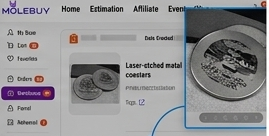
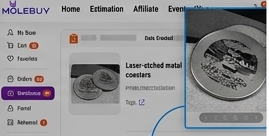
How to Use Mulebuy Spreadsheet for Winning Product Research: A Complete SEO Guide
In today’s highly competitive e-commerce environment, finding winning products is no longer about guessing trends—it’s about using structured data, fast analysis, and reliable sourcing systems. The Mulebuy Spreadsheet has become a practical tool for online sellers who want to streamline product research, compare suppliers, and identify profitable opportunities with less effort and more accuracy.
This guide explains how to use the Mulebuy Spreadsheet effectively to discover high-demand products, reduce risk, and build a scalable online business.
What Is the Mulebuy Spreadsheet?
The Mulebuy Spreadsheet is a structured product research system designed to help sellers organize sourcing data in one place. It typically includes product listings, supplier details, pricing, shipping estimates, and demand indicators.
Instead of manually browsing multiple platforms, sellers can evaluate product opportunities inside a single organized dashboard.
For dropshipping and cross-border e-commerce sellers, it acts as a decision-making tool that improves speed and accuracy in product selection.
Why Mulebuy Spreadsheet Is Useful for Product Research
Winning product research requires more than just finding popular items. It requires understanding profitability, demand, and supplier reliability.
The Mulebuy Spreadsheet helps by:
Centralizing product data in one system
Reducing time spent on manual research
Improving supplier comparison efficiency
Supporting profit margin calculations
Helping identify trending and scalable products
This structured approach reduces guesswork and improves consistency in product selection.
Step 1: Start with High-Potential Niches
Begin your research by focusing on niches that consistently perform well in e-commerce markets:
Home improvement tools
Fitness and wellness products
Beauty and personal care items
Pet accessories
Tech gadgets and phone accessories
These categories often contain products with strong demand and viral potential.
Step 2: Filter Products Based on Demand Signals
Inside the Mulebuy Spreadsheet, prioritize products with strong performance indicators such as:
High order volume
Positive engagement trends
Consistent sales over time
Strong customer interest signals
Filtering helps eliminate low-quality or oversaturated products early in the process.
Step 3: Analyze Profit Margins Before Choosing Products
Profitability is one of the most important factors in product selection.
Use the spreadsheet to calculate:
Supplier cost per unit
Shipping fees
Advertising costs
Platform fees
Estimated selling price
A strong winning product typically has a 30%–70% profit margin, depending on your niche and marketing strategy.
Step 4: Evaluate Supplier Reliability
A winning product can fail if the supplier is unreliable. Always assess:
Shipping speed and consistency
Product quality control
Inventory stability
Return and refund rates
Communication responsiveness
Reliable suppliers reduce customer complaints and protect your brand reputation.
Step 5: Identify Products with Viral Potential
Products that perform well in modern e-commerce often share key characteristics:
Solve a clear customer problem
Offer a visual or emotional “wow factor”
Are easy to demonstrate in short videos
Encourage impulse buying behavior
These products tend to perform especially well on platforms like TikTok, Instagram Reels, and YouTube Shorts.
Step 6: Compare Multiple Products Side by Side
One of the biggest advantages of using the Mulebuy Spreadsheet is direct comparison.
You can evaluate:
Product pricing differences
Supplier performance ratings
Demand strength
Estimated profitability
Shipping efficiency
This helps you make objective, data-driven decisions instead of relying on intuition.
Advanced Strategy: Combine Spreadsheet Data with Market Research
To increase accuracy, combine Mulebuy Spreadsheet insights with external tools such as:
Google Trends for search demand validation
TikTok Creative Center for viral product discovery
Amazon Best Sellers for proven demand
Competitor Shopify store analysis
This hybrid strategy improves your ability to identify long-term winning products.
Common Mistakes to Avoid
Many beginners fail in product research due to avoidable mistakes:
Choosing products only based on low price
Ignoring shipping time and logistics
Scaling too quickly without testing
Overlooking competition saturation
Relying on assumptions instead of data
The Mulebuy Spreadsheet helps reduce these risks when used correctly.
Best Practices for Using Mulebuy Spreadsheet
To maximize results, follow these best practices:
Update product data regularly
Remove outdated listings
Organize products by niche
Track profit margins consistently
Record supplier performance notes
Review trends weekly
Consistency is key to maintaining accurate and useful research data.
Final Thoughts
The Mulebuy Spreadsheet is more than just a product list—it is a structured system for smarter e-commerce decision-making. By organizing product data, analyzing profit potential, and evaluating supplier reliability, it helps sellers find winning products faster and with greater confidence.
In today’s competitive online marketplace, success depends on data-driven strategy rather than guesswork. Using a spreadsheet-based research system like Mulebuy can significantly improve your ability to discover profitable products, reduce risks, and scale your online store efficiently.